Cultural Perspectives on Food and Health
Historical, cultural, and environmental foundations of nutrition
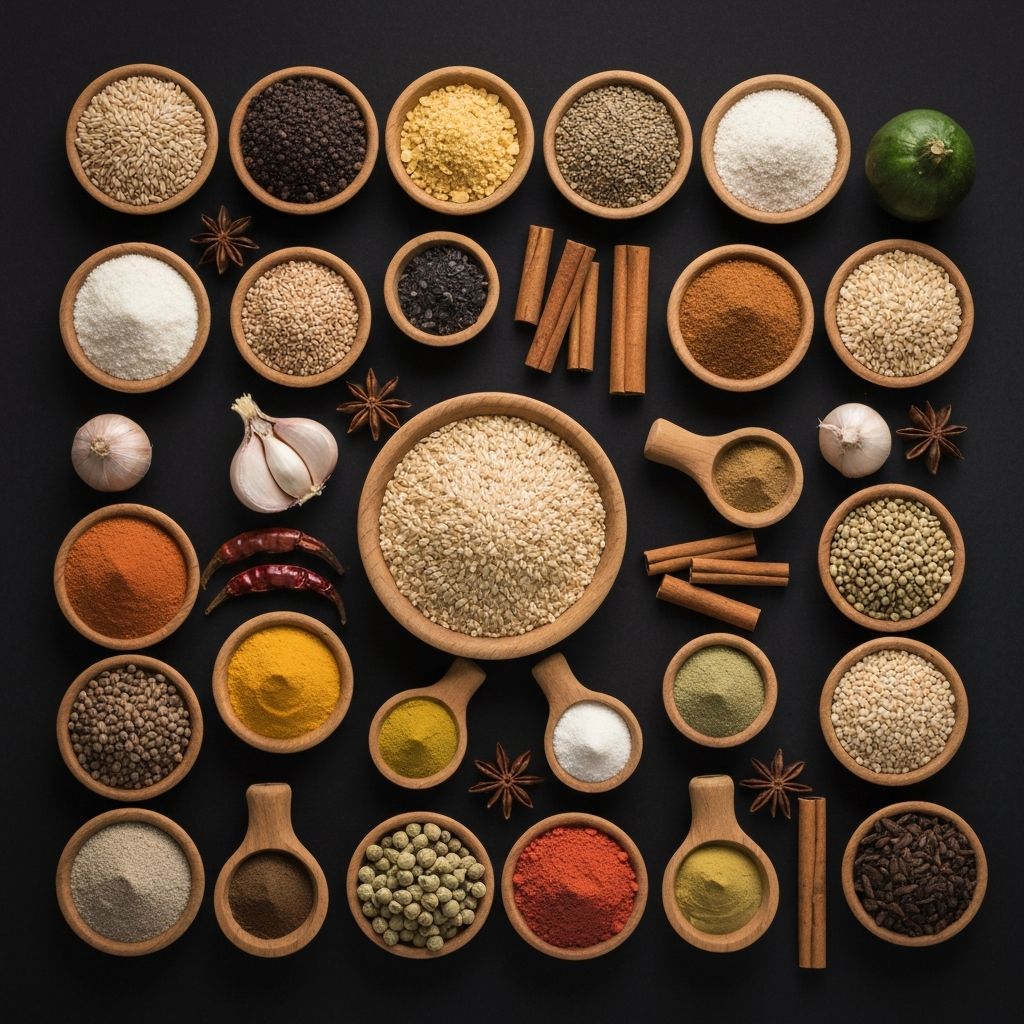
Food Systems Across Time and Culture
Humans have developed diverse dietary traditions that reflect environmental resources, agricultural practices, cultural values, and accumulated nutritional wisdom. These traditions often represent sophisticated solutions to the challenge of sustaining health within specific geographic and economic contexts.
Traditional Knowledge and Nutritional Wisdom
Many traditional dietary patterns—Mediterranean, East Asian, traditional African, and Indigenous food systems—have sustained populations for generations. Contemporary nutritional science increasingly validates the health-supporting properties of these traditional approaches, recognizing that cultural foodways often contain integrated nutritional intelligence developed through generations of experience.
Environmental Sustainability and Nutrition
The intersection of nutrition, environmental sustainability, and cultural heritage is evident in dietary patterns that emphasize seasonal, locally-available foods and minimal food waste. These approaches often prove both nutritionally adequate and environmentally responsible, aligning personal health with planetary health.
The Role of Community and Social Factors
Food provides not only nutritional sustenance but also social, cultural, and psychological nourishment. The context in which food is consumed—shared meals, cultural practices, social connection—significantly influences both the experience and the physiological outcomes of eating. Sustainable health approaches recognize food as a comprehensive, multi-dimensional human need.
Integration of Tradition and Contemporary Nutritional Science
The most valuable contemporary nutritional approach integrates the wisdom embedded in traditional foodways with the insights of modern nutritional science. This integration respects cultural heritage while incorporating evidence about nutrient bioavailability, food safety, and metabolic health outcomes.
Return to Knowledge Base